


Developing Confidence Through TV Presenter Training: Mastering On-Camera Confidence Techniques

Stepping in front of a camera can feel daunting. Whether you're preparing for your first TV appearance, launching a YouTube channel, or presenting in a corporate video, confidence is key. I’ve been there myself - the nerves, the self-doubt, the fear of stumbling over words. But here’s the good news: confidence on camera is a skill you can develop. It’s not about being perfect; it’s about being authentic, clear, and engaging. Through focused TV presenter training, you can unlock your potential and shine on screen.
In this post, I’ll share practical tips and insights on how to build your on-camera confidence. We’ll explore techniques that help you connect with your audience, manage nerves, and communicate effectively. Let’s dive in and start your journey to becoming a confident presenter.
Understanding On-Camera Confidence Techniques
Confidence on camera doesn’t just happen overnight. It’s built through practice, preparation, and the right mindset. Here are some essential techniques that have helped me and many others feel more at ease in front of the lens:
Preparation is your foundation: Know your material inside out. When you’re familiar with your script or talking points, you reduce the chance of freezing or losing your train of thought.
Practice with purpose: Rehearse in front of a mirror, record yourself, or practice with friends. This helps you notice your body language, tone, and pacing.
Control your breathing: Deep, steady breaths calm your nerves and improve your voice quality.
Visualise success: Imagine yourself delivering your message confidently and connecting with your audience.
Engage with the camera as a person: Pretend the camera is a friend you’re talking to. This makes your delivery more natural and warm.
These techniques are simple but powerful. They help you shift from feeling self-conscious to feeling in control.

The Role of TV Presenter Training in Building Confidence
TV presenter training is designed to equip you with the skills and mindset needed to perform confidently on camera. It’s not just about reading lines; it’s about storytelling, body language, voice control, and audience engagement. Here’s how structured training can make a difference:
Personalised feedback: Trainers observe your performance and give constructive advice tailored to your strengths and areas for improvement.
Practical exercises: You’ll practice real-life scenarios like live interviews, news reading, or product presentations.
Building resilience: Training helps you handle unexpected moments, like technical glitches or difficult questions, with grace.
Boosting self-awareness: You learn to recognise your unique style and how to use it effectively.
Networking opportunities: Training often connects you with like-minded individuals, creating a supportive community.
One of the best ways to start is by enrolling in a reputable programme like aspire tv presenter training. Their courses focus on developing on-camera confidence techniques that work across TV, social media, and corporate platforms.
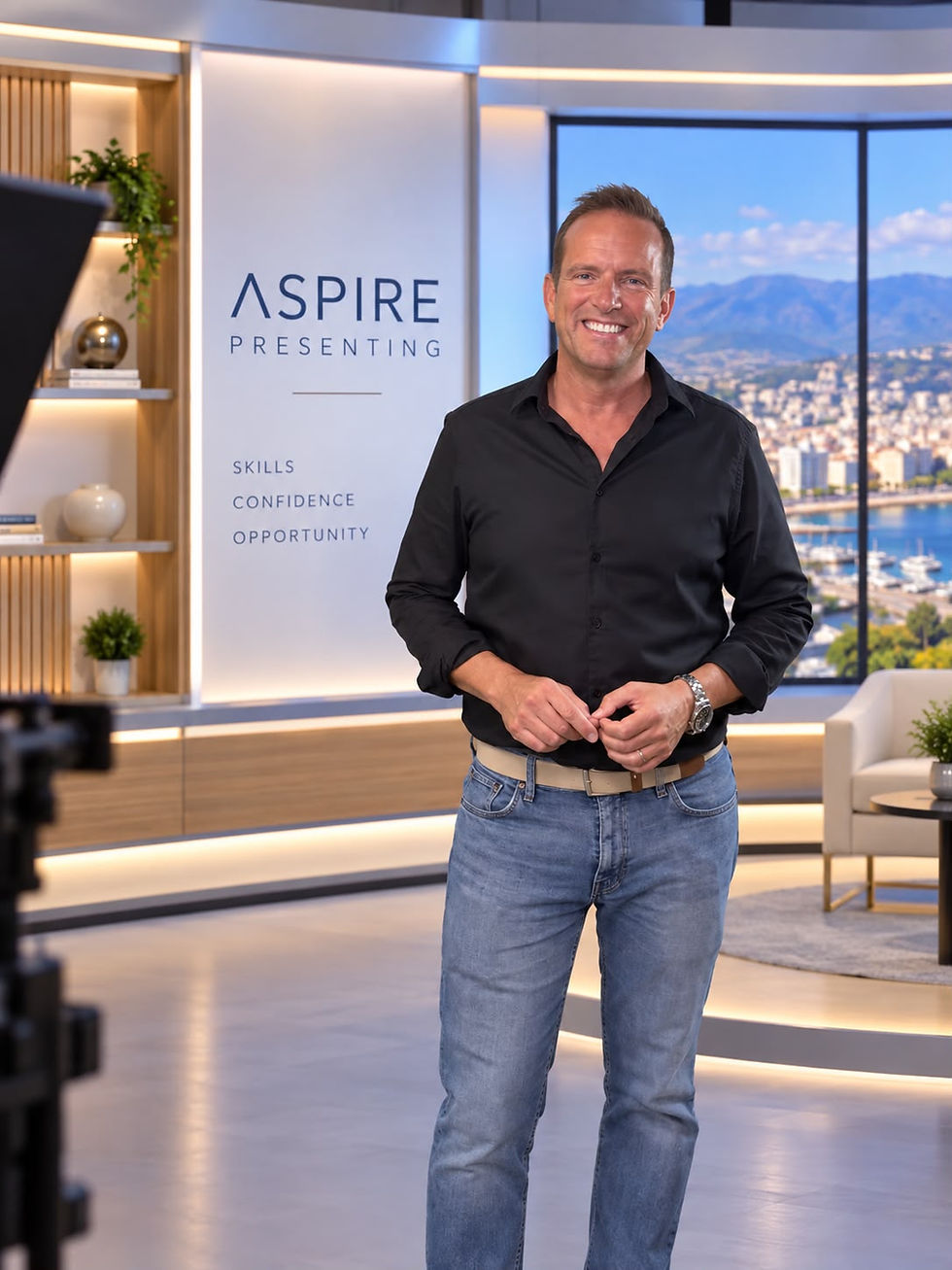
Who is Michael Watkins presenter?
Michael Watkins is a well-known TV presenter and media coach who has inspired many aspiring presenters. With years of experience in front of the camera, Michael combines practical skills with motivational coaching. His approach emphasises authenticity and connection, helping presenters find their voice and style. Learning from experts like Michael can accelerate your confidence-building journey and provide valuable industry insights.
Practical Tips to Boost Your On-Camera Confidence Today
You don’t have to wait for formal training to start improving your confidence. Here are some actionable steps you can take right now:
Record short videos daily: Use your phone to film quick updates or practice sessions. Watch them back to spot what works and what doesn’t.
Focus on your posture: Stand or sit up straight with relaxed shoulders. Good posture projects confidence and improves breathing.
Smile genuinely: A natural smile makes you appear approachable and helps you feel more relaxed.
Use hand gestures: Controlled gestures add emphasis and keep your audience engaged.
Slow down your speech: Nervousness often speeds up talking. Deliberate pacing helps clarity and calmness.
Prepare a ‘power phrase’: Have a short, positive statement to repeat silently before going on camera, like “I am ready and confident.”
Limit distractions: Choose a quiet, well-lit space for filming or presenting to reduce stress.
By incorporating these habits, you’ll notice your confidence growing steadily.

Embracing Your Unique Presenter Style
One of the most empowering parts of TV presenter training is discovering your unique style. Confidence isn’t about copying someone else; it’s about being the best version of yourself. Here’s how to embrace your individuality:
Identify your strengths: Are you naturally warm, humorous, authoritative, or empathetic? Play to these qualities.
Be authentic: Audiences connect with genuine personalities. Don’t try to be someone you’re not.
Experiment with tone and pace: Find what feels comfortable and effective for you.
Accept imperfections: Small mistakes make you relatable. Don’t let fear of errors hold you back.
Seek feedback from trusted sources: Friends, mentors, or trainers can help you refine your style.
Remember, confidence grows when you feel comfortable in your own skin. Training helps you build that comfort and express yourself fully.
Taking the Next Step in Your Presenting Journey
Building on-camera confidence is a continuous process. Every time you step in front of a camera, you learn something new. If you’re serious about mastering this skill, consider investing in professional training. The right course will provide structure, expert guidance, and a supportive environment to accelerate your progress.
I highly recommend exploring options like aspire tv presenter training to get started. Their tailored programmes are designed to help you develop practical skills and genuine confidence, whether you’re aiming for TV, social media, or corporate presenting.
Remember, confidence is not about perfection. It’s about showing up, being yourself, and communicating your message with clarity and passion. With the right techniques and training, you can transform your on-camera presence and open doors to exciting opportunities.
Keep practising, stay positive, and enjoy the journey of becoming a confident presenter!


Comments