


Media Training for Beginners: A UK Perspective

Starting out in front of the camera or preparing to speak to the media can feel daunting. Whether you’re aiming to become a TV presenter, a content creator, or a business spokesperson, mastering the art of communication is essential. I’ve been there, and I know how overwhelming it can be. But with the right guidance and practice, you can build confidence and deliver your message clearly and effectively. Let’s explore how media training can help you shine, especially from a UK perspective.
Why Media Training Matters in the UK
Media training is more than just learning how to speak well on camera. It’s about understanding the unique media landscape in the UK, where the audience expects clarity, authenticity, and professionalism. The UK media environment is fast-paced and competitive, with a rich tradition of broadcasting and journalism. Knowing how to navigate this space can make all the difference.
For example, British TV presenters often balance warmth with authority, engaging viewers while maintaining credibility. This style is something you can learn and adapt to your own personality. Media training helps you develop these skills by focusing on:
Clear messaging tailored to your audience
Handling tricky questions with poise
Using body language effectively
Managing nerves and staying calm under pressure
By mastering these areas, you’ll be ready to face interviews, live broadcasts, or social media videos with confidence.
Essential Skills You’ll Gain from Media Training
When you sign up for media training, you’re investing in a toolkit that will serve you throughout your career. Here are some of the key skills you can expect to develop:
1. Crafting Your Message
It’s easy to get lost in details or jargon. Media training teaches you to focus on your core message and deliver it in a way that’s easy to understand. For instance, if you’re a business owner explaining a new product, you’ll learn to highlight benefits rather than technical specs.
2. Speaking Clearly and Confidently
Your voice is your most powerful tool. Training helps you control your tone, pace, and volume so that your message comes across clearly. You’ll practice speaking naturally, avoiding filler words, and using pauses effectively.
3. Handling Interviews and Difficult Questions
Not every interview will be straightforward. Sometimes, you’ll face challenging questions or unexpected topics. Media training prepares you to stay calm, think on your feet, and respond honestly without losing your composure.
4. Using Body Language to Support Your Words
Non-verbal communication can make or break your message. You’ll learn how to use gestures, eye contact, and posture to reinforce what you’re saying and connect with your audience.
5. On-Camera Presence and Technical Awareness
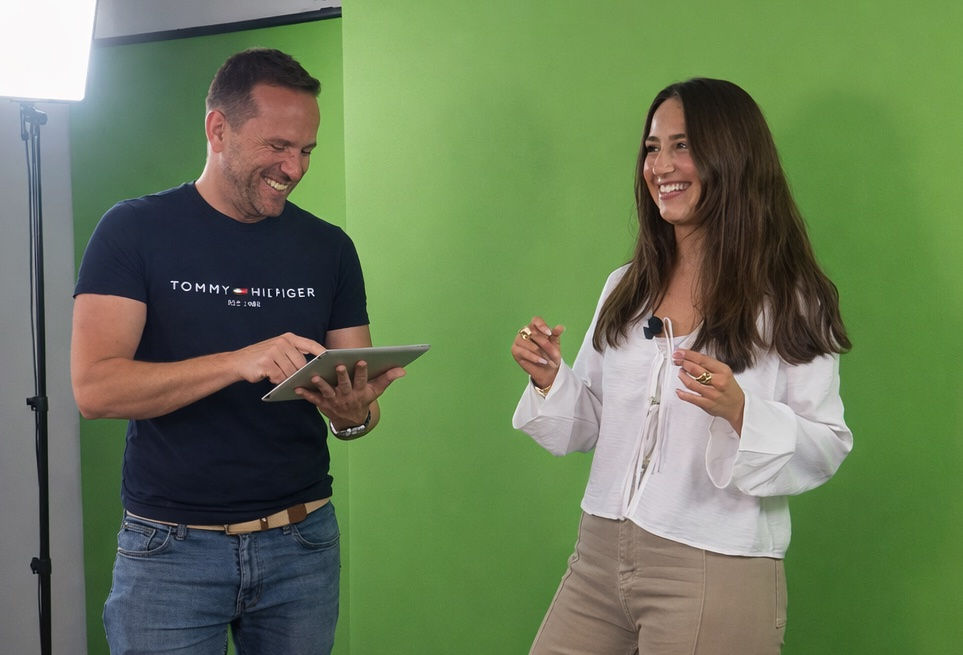
Being comfortable in front of the camera is a skill that improves with practice. Training sessions often include mock interviews and recordings so you can see yourself and make adjustments. You’ll also get tips on lighting, framing, and wardrobe choices that work well on screen.

How to Choose the Right Media Training Course in the UK
With so many options available, picking the right media training course can feel confusing. Here are some practical tips to help you decide:
Look for UK-based trainers who understand the local media culture and expectations.
Check the course content to ensure it covers the skills you want to develop, such as live TV presenting, social media videos, or corporate communications.
Read reviews and testimonials from past participants to get a sense of the trainer’s style and effectiveness.
Consider the format - do you prefer in-person workshops, online sessions, or a mix of both?
Ask about personalised feedback - the best courses offer one-on-one coaching to address your specific strengths and challenges.
Remember, media training is an investment in your future. Choose a course that feels supportive and tailored to your goals.
Practical Tips to Start Improving Your Media Skills Today
You don’t have to wait for formal training to begin improving your media skills. Here are some simple, actionable steps you can take right now:
Record Yourself - Use your phone or camera to film short videos. Watch them back and note what you like and what you want to improve.
Practice Speaking Clearly - Read aloud daily, focusing on enunciation and pace.
Prepare Key Messages - Write down three main points you want to communicate before any interview or video.
Control Your Breathing - Deep, steady breaths help reduce nerves and improve voice control.
Use a Mirror - Practice your body language and facial expressions to ensure they match your message.
Watch UK Presenters - Observe how they engage the audience, handle questions, and use their voice and gestures.
These small habits build your confidence and make formal media training even more effective.
Embracing Your Media Journey with Confidence
Starting out in media can feel like stepping into the unknown, but every expert was once a beginner. With the right mindset and support, you can develop the skills to communicate powerfully and authentically. Remember, media training is not about changing who you are - it’s about helping you express your true self in the best possible way.
If you’re ready to take the next step, consider exploring media training for beginners to get tailored guidance and hands-on practice. The UK media landscape is full of opportunities, and with the right preparation, you can seize them confidently.
Keep practising, stay curious, and enjoy the journey of becoming a skilled presenter or communicator. Your voice matters, and the world is ready to hear it.



Comments